Essential Guide to Home Plumbing Maintenance
April 15, 2026
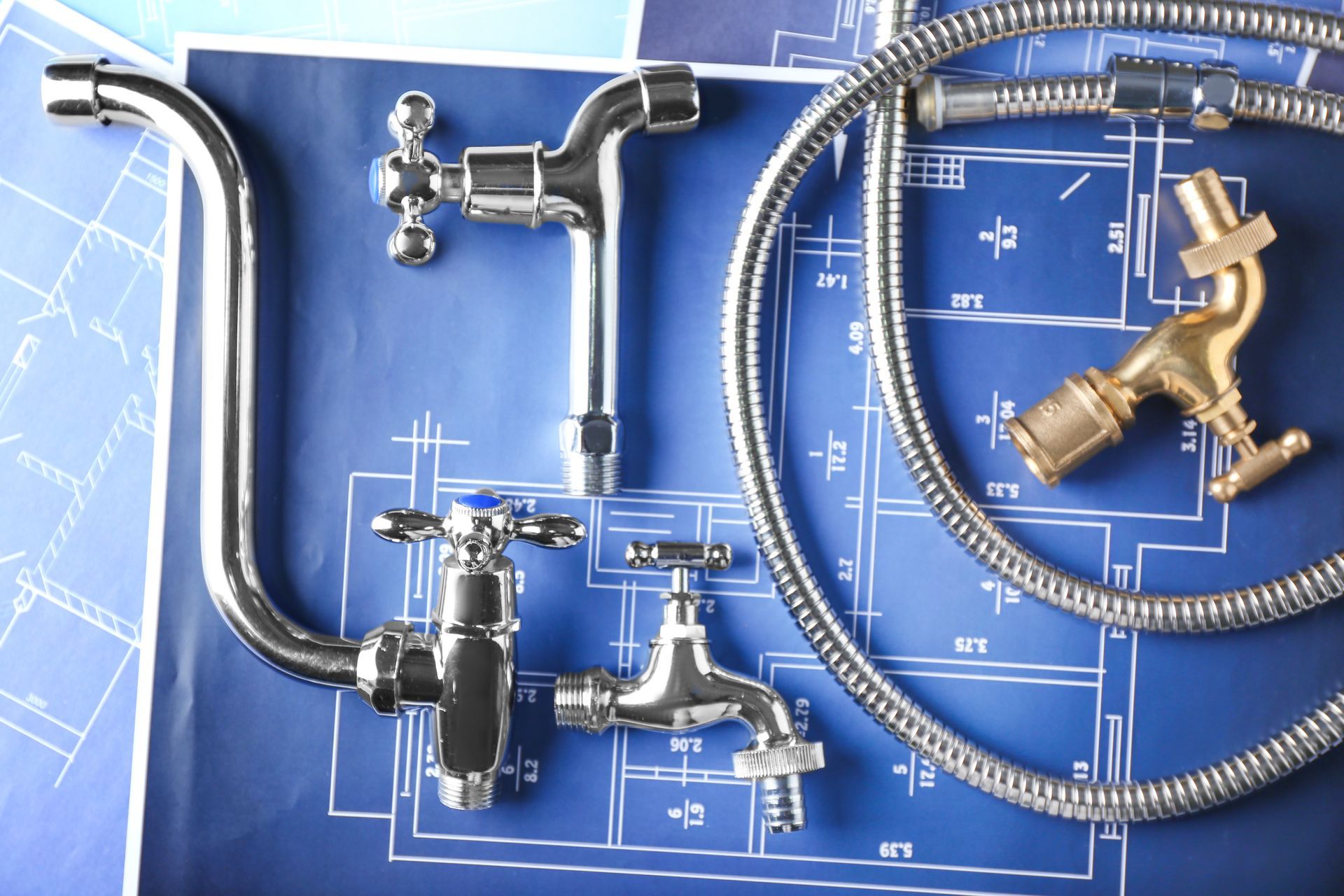
Your plumbing system plays a major role in your home’s value, functionality, and wellbeing. And a little maintenance can save you from big repairs down the road. At Hanson’s Plumbing & Heating, we’ve been helping our neighbors take better care of their homes since the 1930s. That’s why we’re excited to share this essential guide to home plumbing maintenance with you. We’ll go room by room and share what you should be doing to protect your plumbing in every area of your home.
Kitchen Plumbing
The most used plumbing fixture in the kitchen is the garbage disposal. But while your garbage disposal is versatile in what it can handle, you shouldn’t dump anything and everything down it. Only put small pieces of food down your disposal, and don’t put in coffee grounds, banana peels, FOGs (fats, oils, and grease), bones, large amounts of pasta or rice, or fibrous food such as celery and onions.
Run cold water for 30 seconds after using your disposal to help solidify FOGs, making them easier to chop up and flush away. Clean your garbage disposal regularly with baking soda, vinegar, and hot water or with enzyme-based cleaners.
For more information and tips, check out our
full guide to garbage disposal dos and don’ts.
Bathroom Plumbing
The bathroom is where most plumbing issues occur, and it’s where maintenance is most important. Here are a few things you can do to keep your bathroom plumbing in good shape.
Check your toilet for leaks: A leaky toilet can waste around 200 gallons of water per day. The food coloring test is the easiest way to check your toilet for a leak. Remove the lid of your tank and put in a few drops of food coloring. Don’t flush. If color appears in the bowl after 15 minutes, your toilet’s flapper valve is leaking.
Don’t flush “flushable” wipes: So-called flushable wipes are a leading cause of plumbing clogs. Instead of disintegrating, like toilet paper does, they snag on pipe imperfections and cause backups. Don’t flush anything down your toilet except for human waste and toilet paper.
Descale your showerhead: Hard water can leave mineral buildup on your showerhead, clogging the nozzles and effectively decreasing your shower’s water pressure. To clean your showerhead, scrub it with a sponge or toothbrush, then descale it with a vinegar-water solution. Fill a resealable plastic bag with equal parts white vinegar and water, then immerse the showerhead in the filled bag. Secure the bag around the showerhead’s neck with a twist tie, then let it soak overnight. If your showerhead is brass, gold, or nickel, remove the bag after 30 minutes to protect the hardware.
If you regularly notice scale on your showerhead or other plumbing fixtures, consider installing a water softener to prevent the issue entirely.
Basement and Utility Room Plumbing
You may not spend as much time thinking about these plumbing fixtures, but they’re just as important as those in the kitchen and bathroom. Let’s start with the water heater.
Over time, sediment settles at the bottom of your water heater’s tank, making the burner work harder to heat your water. Once a year, drain a few gallons of water through your tank until the water runs clear.
The anode rod is another vital component of your water heater. This sacrificial rod attracts corrosion in order to protect the walls of your tank. You should replace it every 3–5 years to keep your tank from rusting.
If you have a water softener, that deserves some maintenance, too. Make sure the brine tank is at least half-full of salt at all times and break up any hard salt bridges that may have formed in the tank. You can clean the tank every one to two years by scooping out the salt and flushing it with water.
Finally, there’s your sump pump. Every spring before the big thaw, test it by pouring a bucket of water into the sump pit. If the water doesn’t drain quickly, your pump probably needs maintenance.
Rely on Hanson’s Plumbing & Heating for Expert Assistance
While you can tackle a lot of home plumbing maintenance on your own, there are situations where you should call a professional plumber. Issues involving gas lines, main sewer line backups, and malfunctioning water heaters can be dangerous and may lead to code violations.
Hanson’s Plumbing & Heating offers a maintenance program that will keep your plumbing in good health and address minor issues before they turn into major problems. Contact us today to sign up.