Ultimate Guide to Cooling and Air Conditioning in Minnesota
June 16, 2026
While we may be known for our winters in Minnesota, those of us who live here know that we’re no strangers to hot and humid summers either. If you want to make it through the warm months, you need to have a reliable cooling system. In this guide, we’ll cover:
- Types of Home Cooling and Air Conditioning Systems
- Understanding Efficiency and SEER Ratings
- A/C Maintenance Tips
- Troubleshooting Common A/C Problems
- Managing Humidity
- Repair vs. Replace
Keep reading to learn how to have a cool, comfortable home this summer.
Types of Home Cooling & Air Conditioning Systems
Homeowners in the Vergas, Perham, and Detroit Lakes areas have several options when it comes to home cooling and air conditioning. Each system can be useful, and sometimes a combination of systems will meet your needs best.
Central Air Conditioning
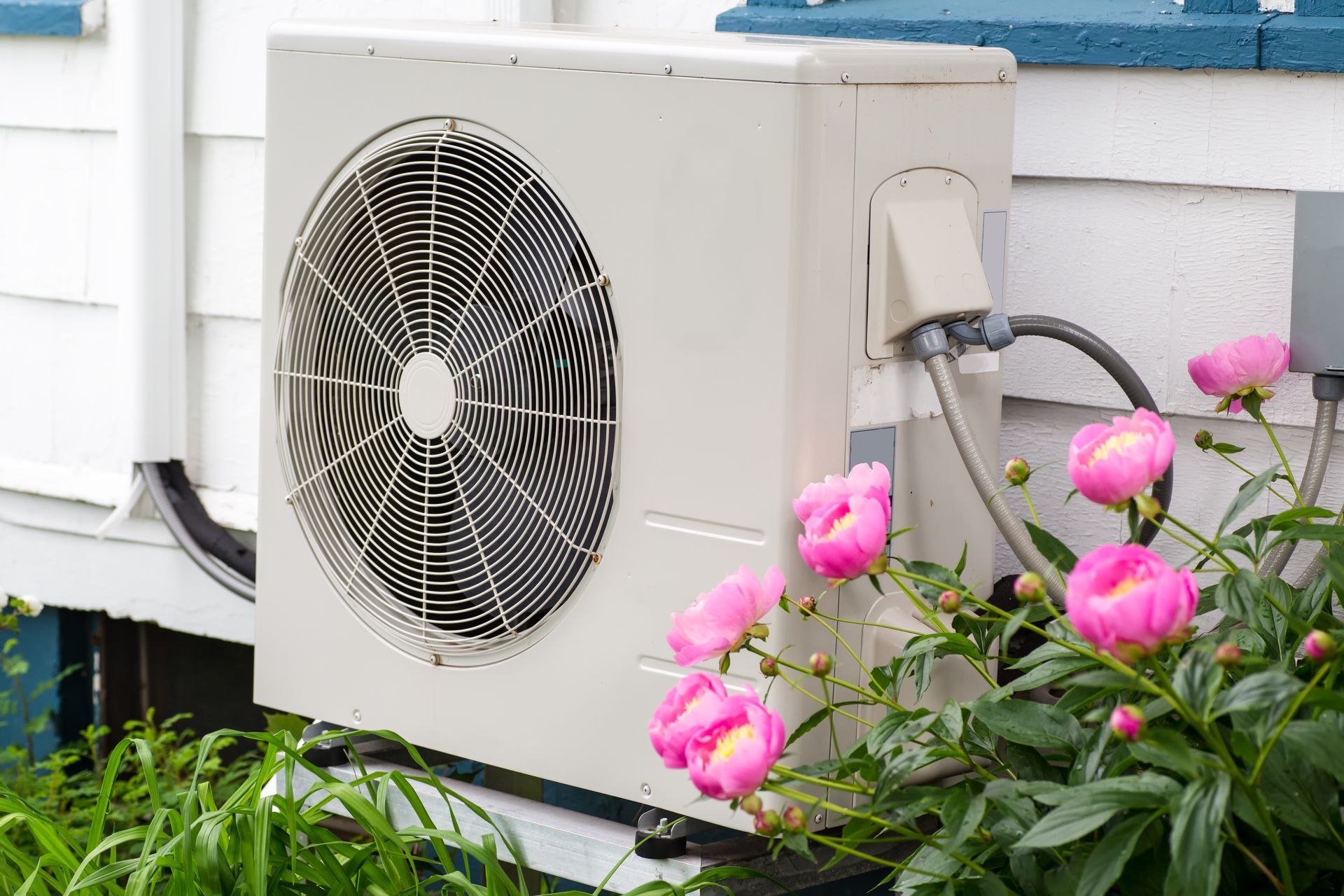
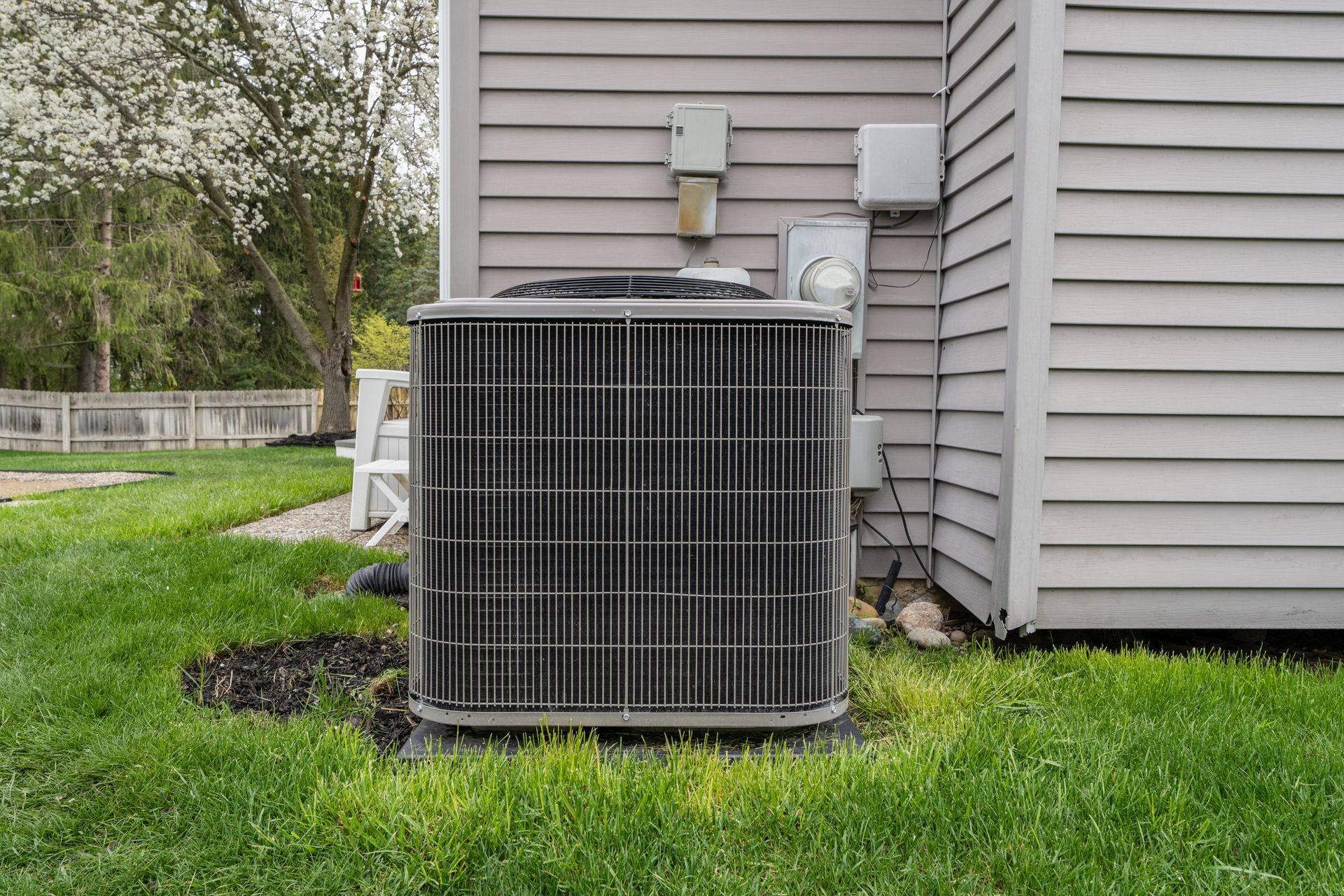
Central air conditioning is the most common type of cooling system in the U.S. It works by pulling warm indoor air through your return vents and using refrigerant in an evaporator to absorb the heat. The cooled air is then pushed back through your home’s ductwork. Meanwhile, the refrigerant is moved to an outdoor condenser unit, where it releases the heat into the outdoor air and then returns to the evaporator to start the cycle again.
Central air conditioning uses ductwork to cool multiple rooms at once. It provides a stable temperature throughout your home and uses air filters to catch dust, pollen, and other airborne particles. It’s also quieter and more efficient than single-room air conditioners.
Central air conditioning is best for large homes with existing ductwork. As a factory authorized dealer of Bryant® HVAC equipment, we can install a variety of high-efficiency Bryant central air units that offer quiet operation, cleaner air quality, and lower utility bills.
Mini-Split Systems (Ductless Heat Pumps)
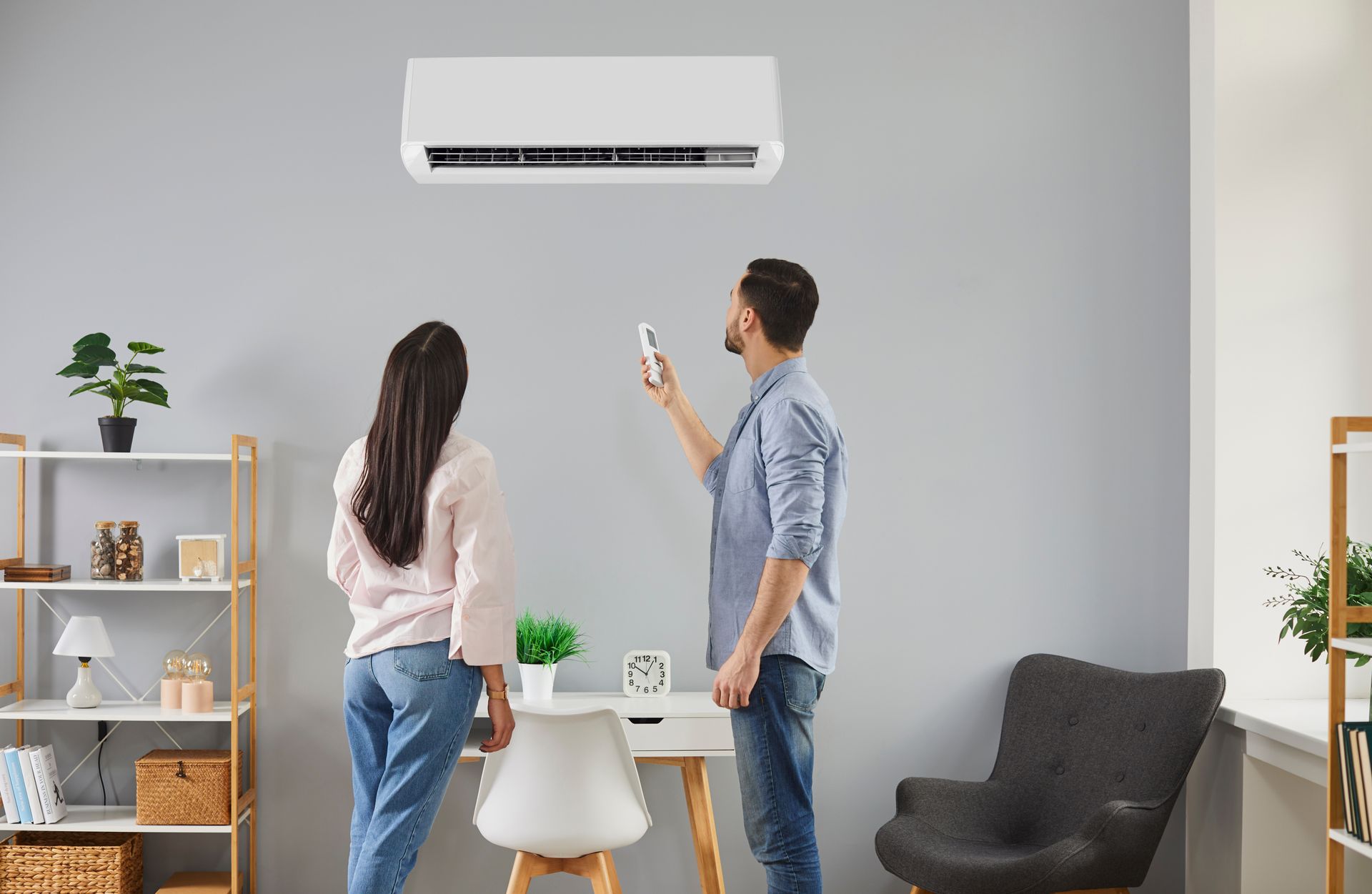
If your home lacks a traditional network of air ducts, a ductless mini-split system is an excellent alternative. These systems feature an outdoor compressor connected to one or more sleek, wall-mounted indoor air handlers via a small conduit line.
Because they require no major construction or duct installation, mini-splits are the perfect targeted cooling solution for older historic homes, lakeside cabins, finished basements, or recent home additions. They allow for zone cooling, meaning you can adjust the temperature of individual rooms and save money by only cooling the spaces you are actively using.
Air-Source Heat Pumps
Don’t let the name confuse you—a heat pump is essentially a high-efficiency air conditioner that can run in reverse. During the summer, it pulls heat and humidity out of your home and dumps it outside, functioning exactly like a standard air conditioner. When colder temperatures arrive in the fall, it flips its cycle to pull ambient heat from the outdoor air to warm your home.
Bryant air-source heat pumps use electric heating to be incredibly energy-efficient. They are an excellent option for local homeowners looking to lower their carbon footprint or reduce their reliance on expensive winter heating fuels like propane or oil.
Geothermal Cooling
Geothermal systems represent the pinnacle of eco-friendly home comfort. Instead of using the outdoor air, geothermal cooling taps into the constant 50°F to 55°F temperature found just a few feet below the earth's surface. In the summer, the system pulls heat out of your house and transfers it into the cool ground loop. Other types of geothermal systems submerge pipes in ponds or wells instead of beneath the ground to produce the same effect. While the initial investment is higher, geothermal systems offer the lowest monthly operating costs and longest lifespans on the market.
Understanding Efficiency and SEER Ratings
When shopping for a new air conditioner or assessing your current one, you will inevitably run into the term SEER, which stands for Seasonal Energy Efficiency Ratio.
What Is a SEER Rating?
Think of a SEER rating like the miles-per-gallon (MPG) rating on your car. It measures the total cooling output of an air conditioner divided by the total electrical energy it consumes over a typical cooling season.
The higher the SEER number, the more efficient the system, and the less money you will spend on your monthly utility bills. Modern standards mandate a baseline efficiency for new equipment, but premium Bryant systems can achieve ratings of up to 21 SEER. Upgrading an old, inefficient 10-SEER unit to a modern high-efficiency system can instantly slash your summer cooling costs.
A/C Maintenance Tips You Can Do Yourself
While major mechanical work should always be left to the professionals, there are several simple maintenance tasks you can handle to protect your equipment and keep your energy bills low:
- The 30-to-60 Day Filter Change: A clogged, dusty air filter forces your air conditioner to work twice as hard to pull air through your home. Check your filter monthly during the peak summer season and replace it as soon as it looks gray or dirty.
- Clear the Outdoor Condenser: Your exterior unit needs room to breathe to release heat. Keep weeds, shrubs, cotton, and lawn clippings cleared away, leaving at least a two-foot perimeter around the metal cage.
- Keep Vents and Registers Open: It is a common myth that closing vents in unused rooms saves energy. In reality, modern HVAC systems are balanced for your entire home. Closing registers alters internal air pressure, which can choke the system and cause the evaporator coils to freeze over.
- Skip the Winter Cover: Bryant units are built to withstand harsh Minnesota winters. Wrapping your outdoor unit tightly in plastic or tarps actually traps moisture inside, which causes premature rust and creates an attractive, sheltered nesting ground for rodents.
Troubleshooting Common A/C Problems
Before you call for emergency service, take a few minutes to check these common, easily resolved issues:
Problem: The AC is running but blowing warm air.
- Check the Thermostat: Ensure the thermostat is set to "Cool" and the fan setting is set to "Auto" rather than "On." When set to "On," the fan blows air continuously even when the cooling compressor outside is turned off.
- Check the Breaker: Go to your home's main electrical panel and verify that the circuit breaker labeled for the A/C hasn't tripped to the "Off" position.
Problem: The system turns on and off constantly (short-cycling).
- Check the Air Filter: An extremely dirty filter restricts airflow so severely that the system's internal safety sensors will shut it down to prevent the compressor from overheating.
Problem: Water is pooling around your indoor unit.
- Check the Condensate Line: As your A/C cools, it condenses gallons of water out of the humid air. This water drains out via a plastic PVC pipe. If this pipe becomes clogged with dust or algae, the water will back up and overflow.
Managing Humidity: The Secret to True Comfort
High relative humidity prevents sweat from evaporating efficiently off your skin, which makes a 78°F room feel like a stifling 84°F.
While a properly sized air conditioner naturally removes moisture from the air as it cools, humid summers often require a bit of extra help.
Integrating a whole-home dehumidifier directly into your existing ductwork allows you to manage moisture levels independently of temperature. By keeping your indoor humidity around the ideal 45% mark, your home will feel naturally cooler, allowing you to set your thermostat a few degrees higher without sacrificing an ounce of comfort.
Repair vs. Replace: Making the Right Choice
When an old air conditioner breaks down during a July heatwave, you face a tough financial decision: Do you patch it up or replace it entirely? We recommend using the 50% Rule to guide your choice.
If the cost of a single repair approaches or exceeds 50% of the value of a brand-new cooling system, replacement is almost always the smarter long-term investment.
Additionally, take your unit’s age into account. The average lifespan of a well-maintained central air conditioner is 12 to 20 years. If your unit is in its second decade of service, investing money into fixing a broken compressor or dealing with obsolete refrigerants may not be worth it. A new, high-efficiency system will pay you back over time via lower utility bills and increased home value.
Ready to Enjoy a Cooler Summer?
Don't wait for the hottest day of the year to find out if your cooling system is up to the task. Whether you need a seasonal precision tune-up to keep your current system running smoothly, an emergency repair, or a free estimate on a brand-new, high-efficiency Bryant system, Hanson's Plumbing & Heating is here to help.
Contact us today to schedule your appointment and keep your home perfectly comfortable all summer long!