All About Heat Pumps: Types, Pros & Cons, and Maintenance
September 8, 2026
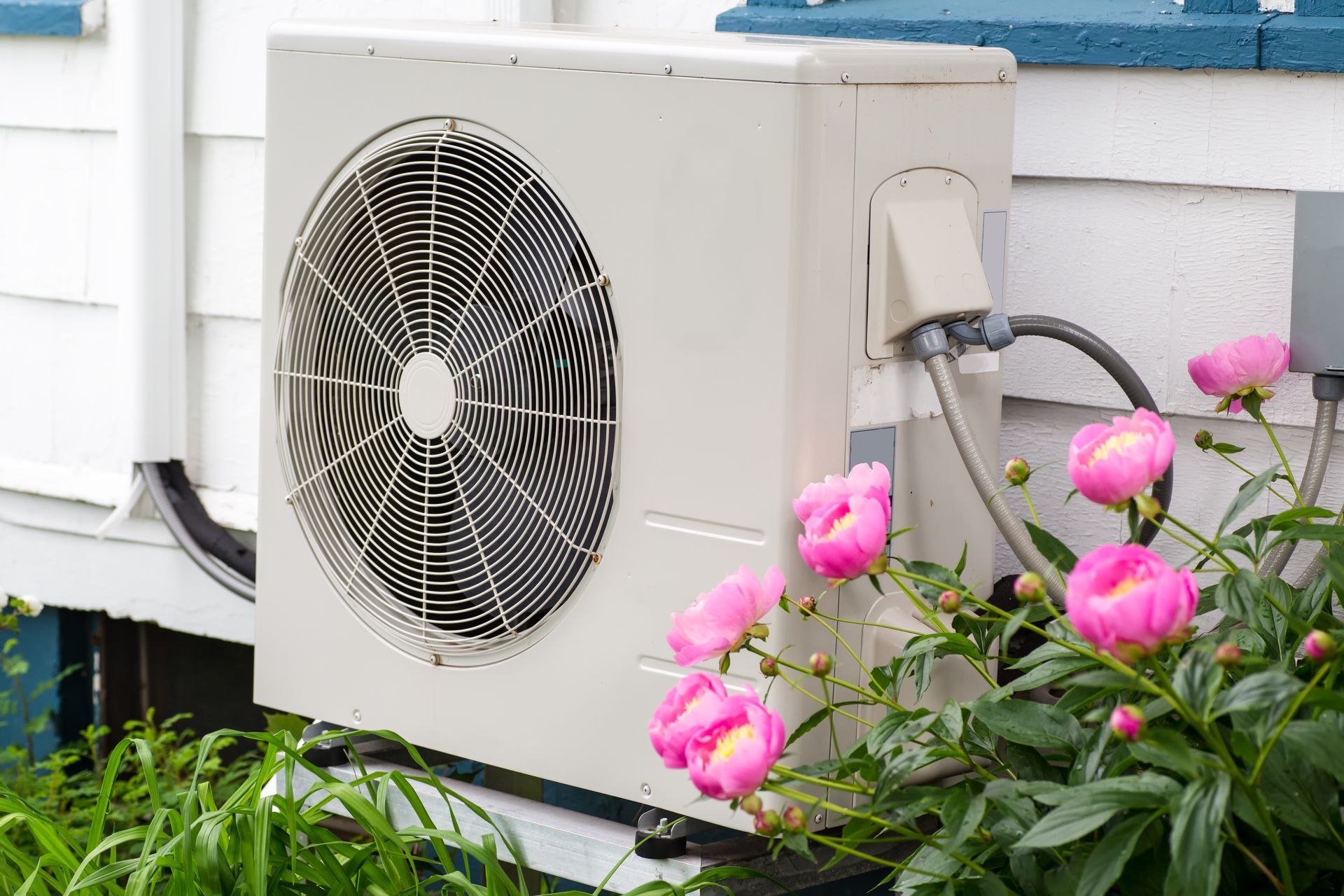
Heat pumps are a versatile way to cool and heat your home. They work like air conditioners during the summer but can also heat your home during the winter. This makes them an efficient alternative to traditional air conditioners and fuel-burning furnaces. And with modern cold-climate heat pump technology, they can even work in northern regions like Detroit Lakes, Vergas, and Perham, Minnesota.
In this blog, you’ll learn what heat pumps are, how they work, the different types, their pros and cons, and important maintenance tips.
What Is a Heat Pump and How Does It Work?
Heat pumps are an all-in-one heating and cooling system favored for their energy efficiency. They work exactly like traditional air conditioners during the summer, using refrigerant to extract indoor heat and dump it outside.
The key difference between heat pumps and air conditioners is that heat pumps can also run in reverse during the colder months. A reversing valve will switch the flow of the refrigerant, pulling ambient thermal energy from outside (yes, thermal energy exists even in freezing air!) and moving it inside to warm your home.
This also differentiates heat pumps from furnaces. Whereas furnaces burn fuel to generate heat, heat pumps simply transfer heat from outside to inside. This makes heat pumps far more energy efficient than furnaces.
Types of Heat Pumps: Finding the Right Fit
Depending on your home’s layout, existing ductwork, and heating needs, you have three main types of heat pumps to choose from.
Ducted Air-Source Heat Pumps
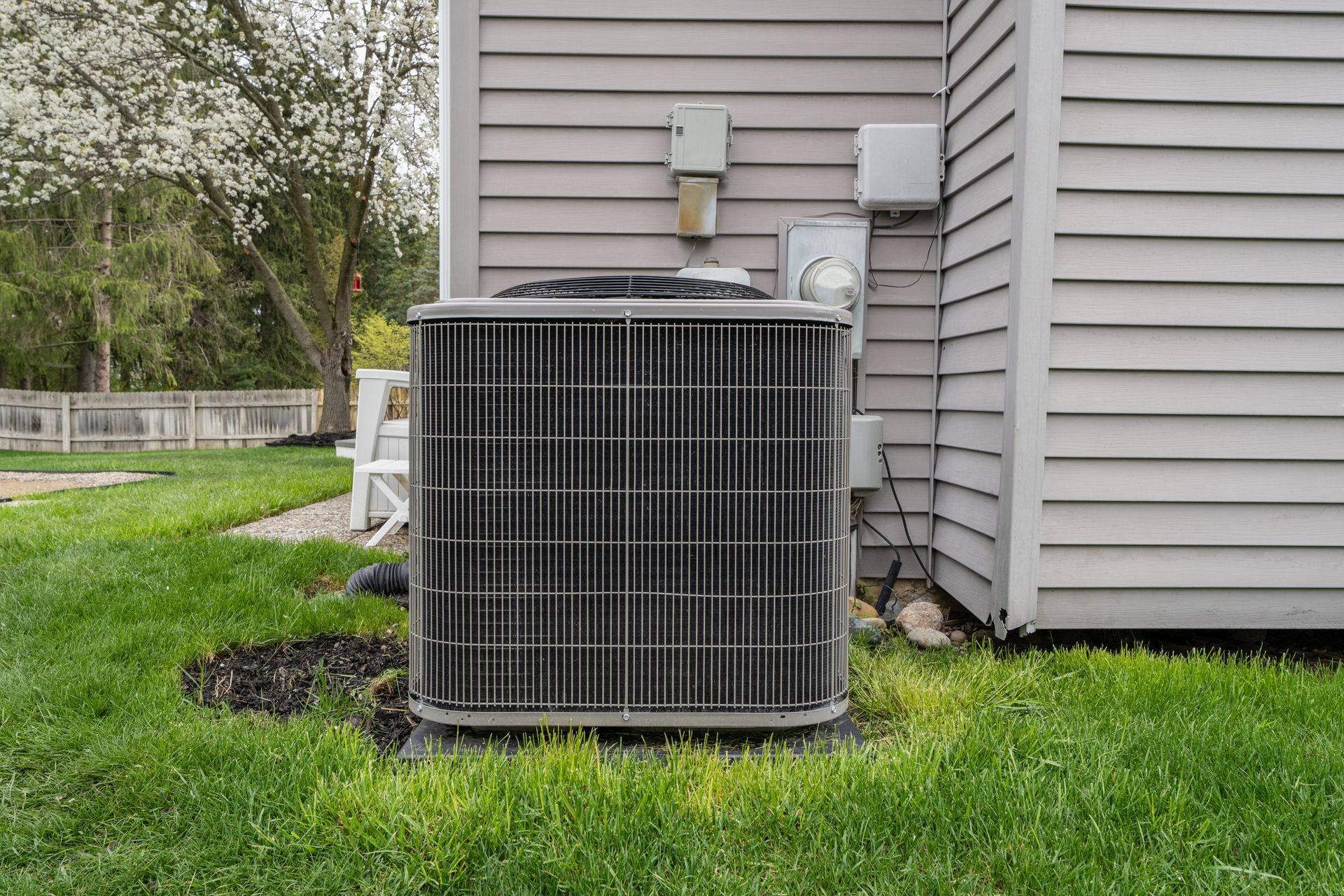
These systems connect an outdoor compressor directly to your home’s existing sheet metal ductwork. They operate in tandem with an indoor air handler to move air through the same ducts used by an air conditioner or furnace.
Ducted air-source heat pumps are best for standard single-family homes with existing ductwork. Many homeowners choose to replace their aging air conditioner with an air-source heat pump while retaining their furnace. The heat pump can then heat the home during moderately cold temperatures, automatically switching to the furnace on extremely cold days.
Ductless Mini-Split Heat Pumps
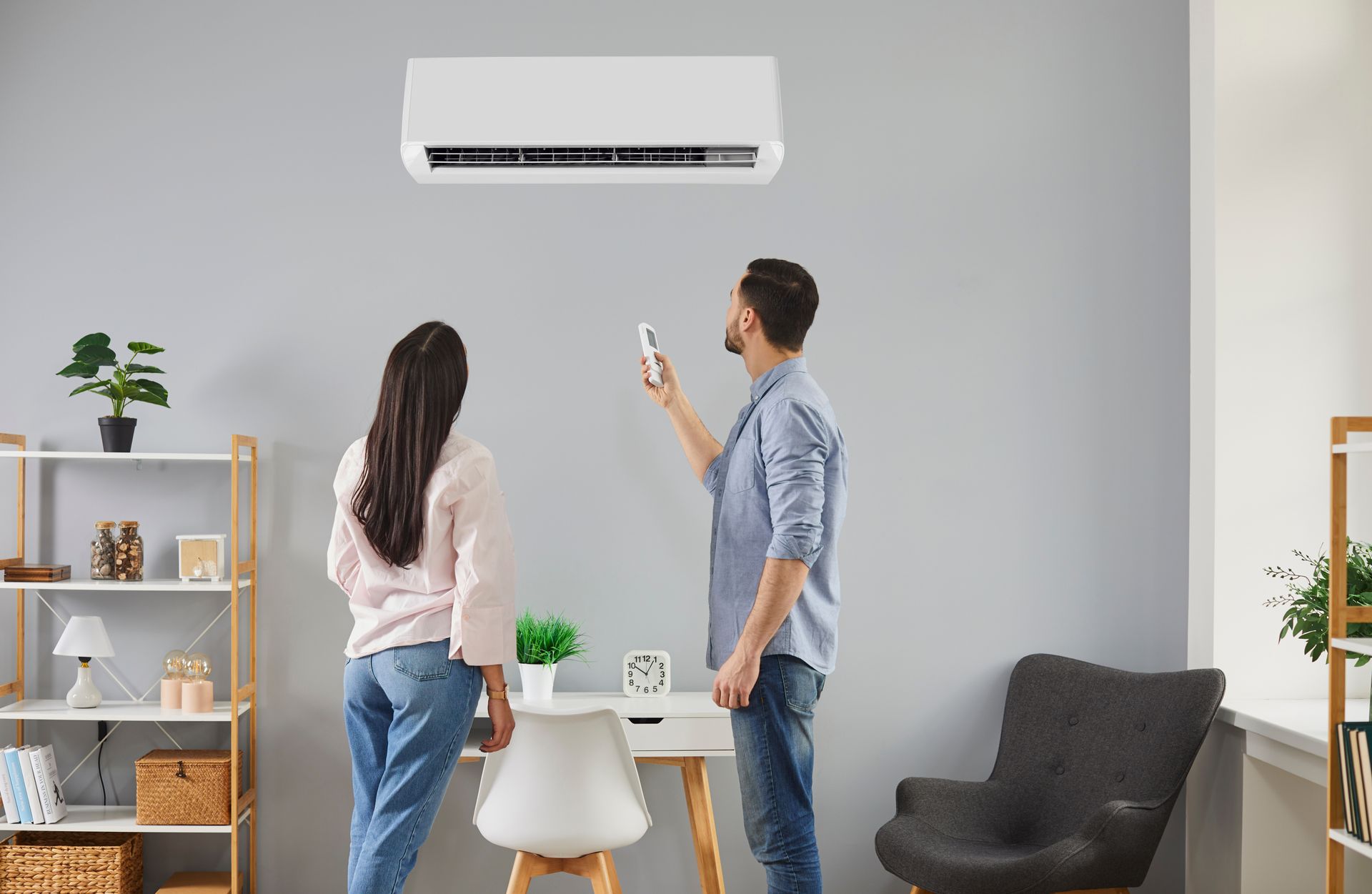
Ductless heat pumps, also called mini-splits, connect an outdoor compressor to one or more independent indoor air handlers mounted on wall spaces inside your home. Each indoor unit treats the air in a single room.
Mini-splits are best for homes with no existing ductwork, since installing new ducts can be difficult and expensive. They’re a popular choice for cabins, older homes with boiler/radiator heat, finished basements, and new additions where installing ductwork isn’t feasible.
Geothermal (Ground-Source) Heat Pumps
Rather than drawing from the outdoor air, geothermal heat pumps rely on the steady 50°F to 55°F temperature found just a few feet below the earth’s surface. By circulating fluid through buried underground pipe loops, geothermal systems transfer heat into your home during the winter and dump excess heat back into the ground during the summer.
Ground-source heat pumps have a higher upfront investment but the lowest operating costs and longest lifespans. This makes them well-suited to custom new builds and major home retrofits.
The Pros and Cons of Heat Pump Technology
Heat pumps offer many benefits, but there are possible drawbacks to consider as well.
Pros of Heat Pumps
- All-in-One Comfort: You get year-round heating and cooling from a single, streamlined system.
- Exceptional Efficiency: Because heat pumps move heat rather than creating it, they can deliver up to three times more heat energy than the electrical energy they consume.
- Lower Monthly Energy Bills: Replacing a propane furnace, electric resistance heater, or oil system with a heat pump can drastically lower your seasonal heating costs.
- Consistent Temperature Control: Modern variable-speed heat pumps run continuously at lower speeds, eliminating the dramatic temperature swings common with traditional furnaces.
Cons of Heat Pumps
- Higher Initial Investment: Heat pump equipment can have a higher upfront cost than a standard air conditioner, although incentives and rebates can offset this.
- Cold-Climate Supplemental Needs: While modern cold-climate heat pumps operate efficiently below 0°F, a secondary heat source, such as a gas furnace, may be needed for extreme winter temperatures.
Do Heat Pumps Work in Minnesota?
A common myth among Minnesota homeowners is that heat pumps don't work in cold climates like ours. While that was true decades ago, modern Cold-Climate Air-Source Heat Pumps (ccASHPs) feature variable-speed inverter compressors designed to deliver reliable heat at temperatures as low as -13°F.
For maximum efficiency and peace of mind in central Minnesota, many homeowners choose a Hybrid Dual-Fuel System. This setup pairs a heat pump with a high-efficiency gas furnace. The heat pump handles heating during mild winter days (when electricity is most cost-effective), and the system automatically switches to the gas furnace when temperatures drop into deep freezing territory.
Essential Heat Pump Maintenance Tips
Because a heat pump handles both heating and cooling, it works twice as hard as a standalone furnace or AC. Keeping up with basic proactive care protects your investment:
- Check & Change Air Filters Monthly: Restricted airflow starves the system, forcing the compressor to work harder and spiking your energy bills. Check filters monthly during peak summer and winter seasons.
- Maintain Clear Perimeter Around Outdoor Unit: Keep leaves, tall grass, and garden debris away from the exterior unit. In winter, clear away snow drifts and ice to ensure proper airflow.
- Keep Indoor Vents Unblocked: Ensure furniture, drapes, or rugs aren't blocking supply registers or indoor air handlers.
- Schedule Professional Tune-ups: Regular check-ups by heat pump professionals can locate and diagnose minor problems before they turn into costly repairs.
Upgrade Your Home Comfort with Hanson's
Whether you're looking to lower your winter fuel costs, replace an old central AC, or explore a ductless system for your lakeside cabin, heat pumps offer an efficient, reliable solution. As a Bryant® factory authorized dealer, Hanson's Plumbing & Heating can help you select, size, and install the perfect system for your home.
Ready to explore the benefits of a heat pump? Contact Hanson's Plumbing & Heating today to schedule a consultation with our HVAC specialists!