Ultimate Guide to Home HVAC Systems
August 11, 2026
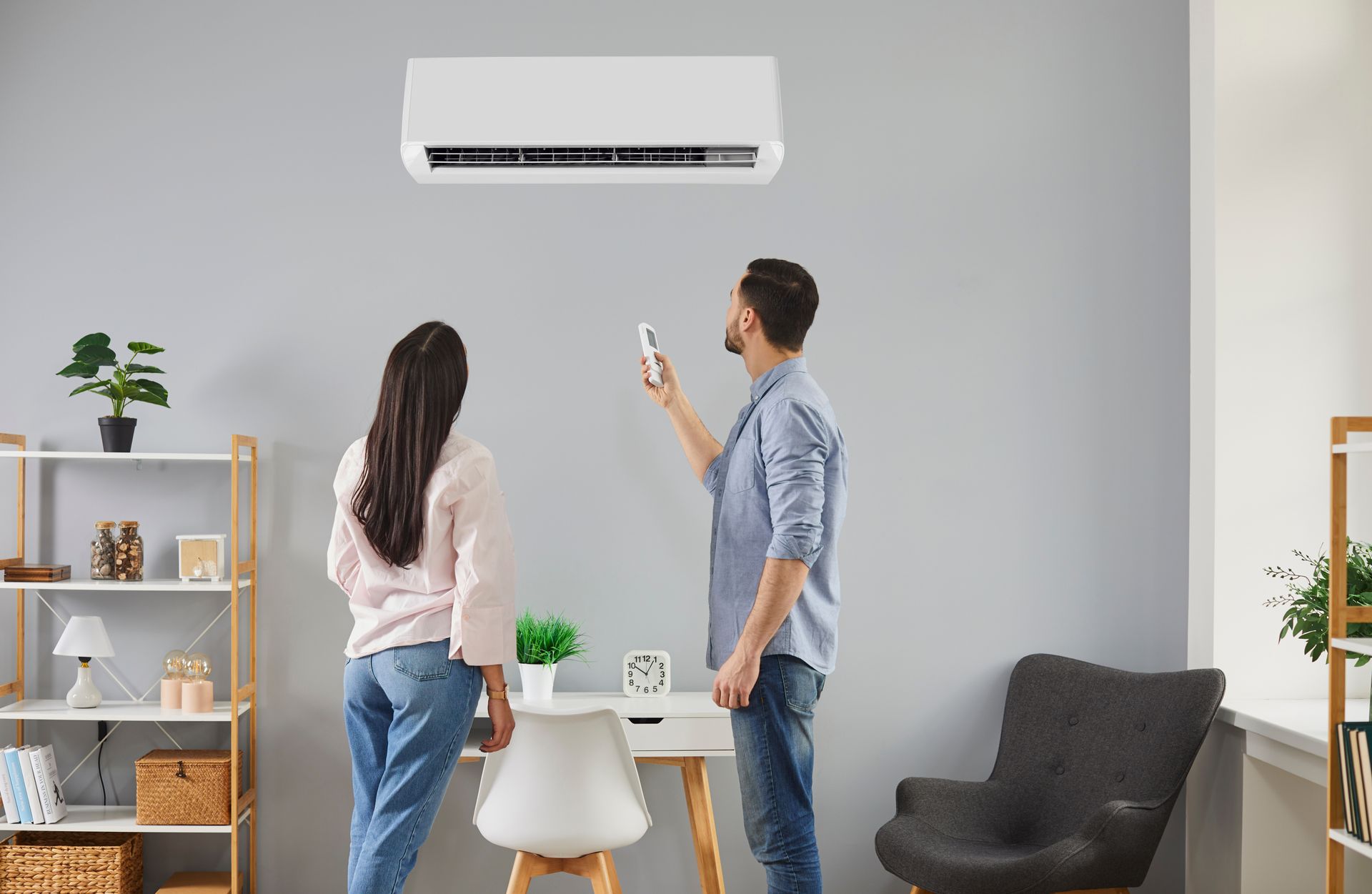
Your HVAC system is the most expensive, hard-working, and important mechanical system in your home, yet most people don’t think about it until it stops working. In this homeowner’s guide to HVAC systems, we will break down HVAC’s core components, most common configurations, and other helpful information.
Let’s start by learning what HVAC actually means. HVAC is an acronym for Heating, Ventilation, and Air Conditioning. An HVAC system is a unified ecosystem of appliances that work together to provide the desired temperature and air quality in any given home.
Hanson’s Plumbing & Heating has been serving families in Central Minnesota for more than 90 years. With decades of experience servicing HVAC systems, we can share everything you need to know to keep your home comfortable, whether it’s January or July.
Core Components of an HVAC System
HVAC systems generally have five core components.
- The Heat Source: Usually a gas or oil furnace that burns fuel to generate heat or a modern electric heat pump. Some older homes use boilers that pump hot water for radiant baseboard heating.
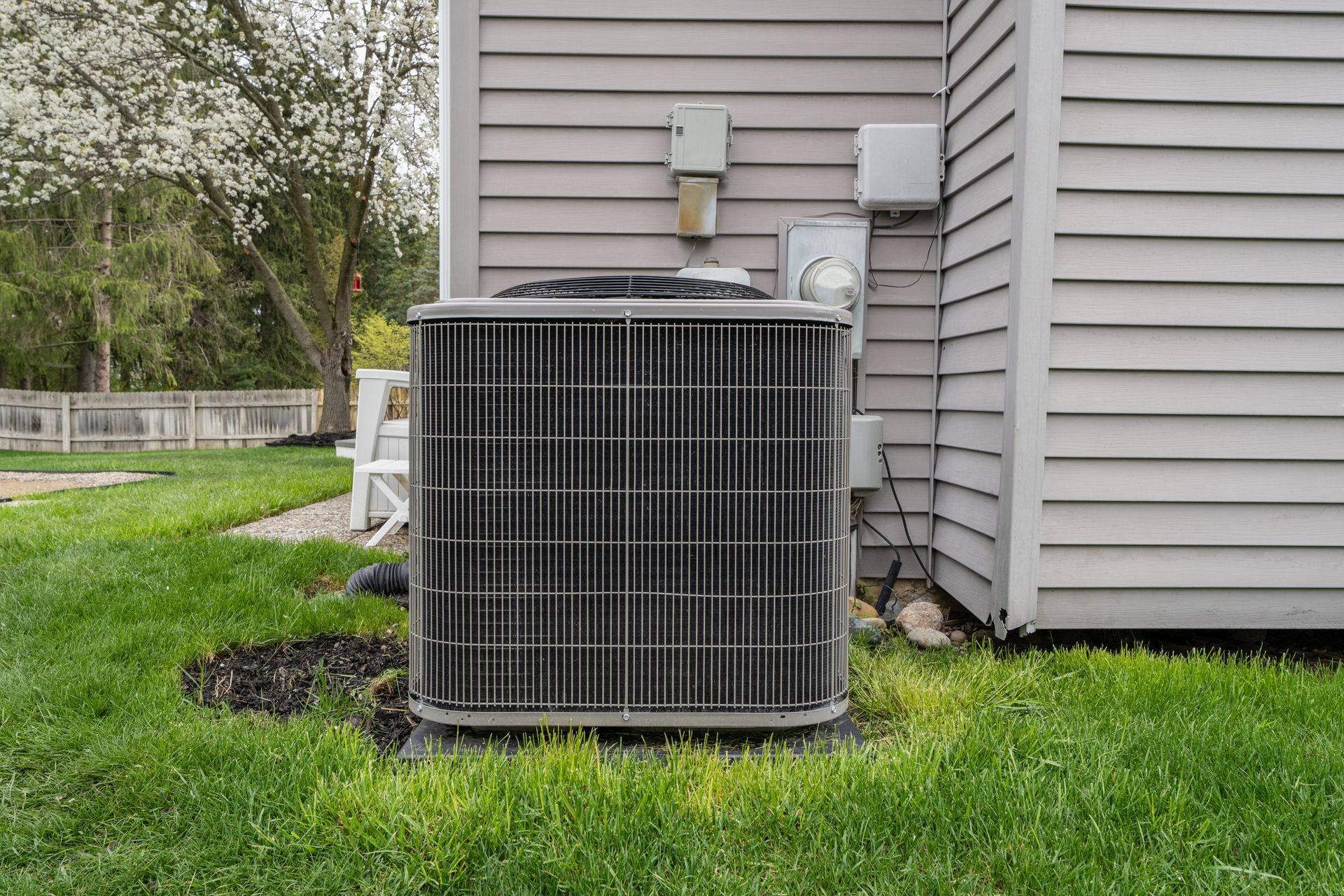
- The Cooling Source: An outdoor condenser unit working alongside an indoor evaporator coil.
- The Air Handler & Blower Motor: The lungs of your home, actively drawing air from return vents, pushing it across the heating or cooling elements, and distributing it back into your rooms.
- The Distribution Network: Usually a hidden system of supply and return sheet metal ductwork that channels air into individual rooms. Some homes use ductless piping instead.
- The Thermostat: The brain of your HVAC system. It senses your home’s indoor temperature and tells the system when to kick in or shut down.
The 3 Main Types of Residential HVAC Configurations
Every property in Central Minnesota has its own unique layout. Depending on when your house was built and its overall footprint, your HVAC system will likely fall into one of these three categories:
Traditional Split Systems
This is the standard configuration found in the vast majority of modern homes. It splits its duties between an indoor furnace and an outdoor air conditioner condenser. The furnace and the air conditioner share the same indoor blower motor and duct infrastructure to circulate comfortable air all year round.
Hybrid Dual-Fuel Systems
A hybrid system pairs an electric air-source heat pump with a standard gas furnace. A heat pump functions like an air conditioner but can also be reversed to warm your home using a basic refrigeration cycle to produce heat. On mild spring and autumn days, the heat pump provides highly efficient heating. When real winter temperatures arrive, the system automatically switches over to the gas furnace.
Ductless Mini-Split Systems
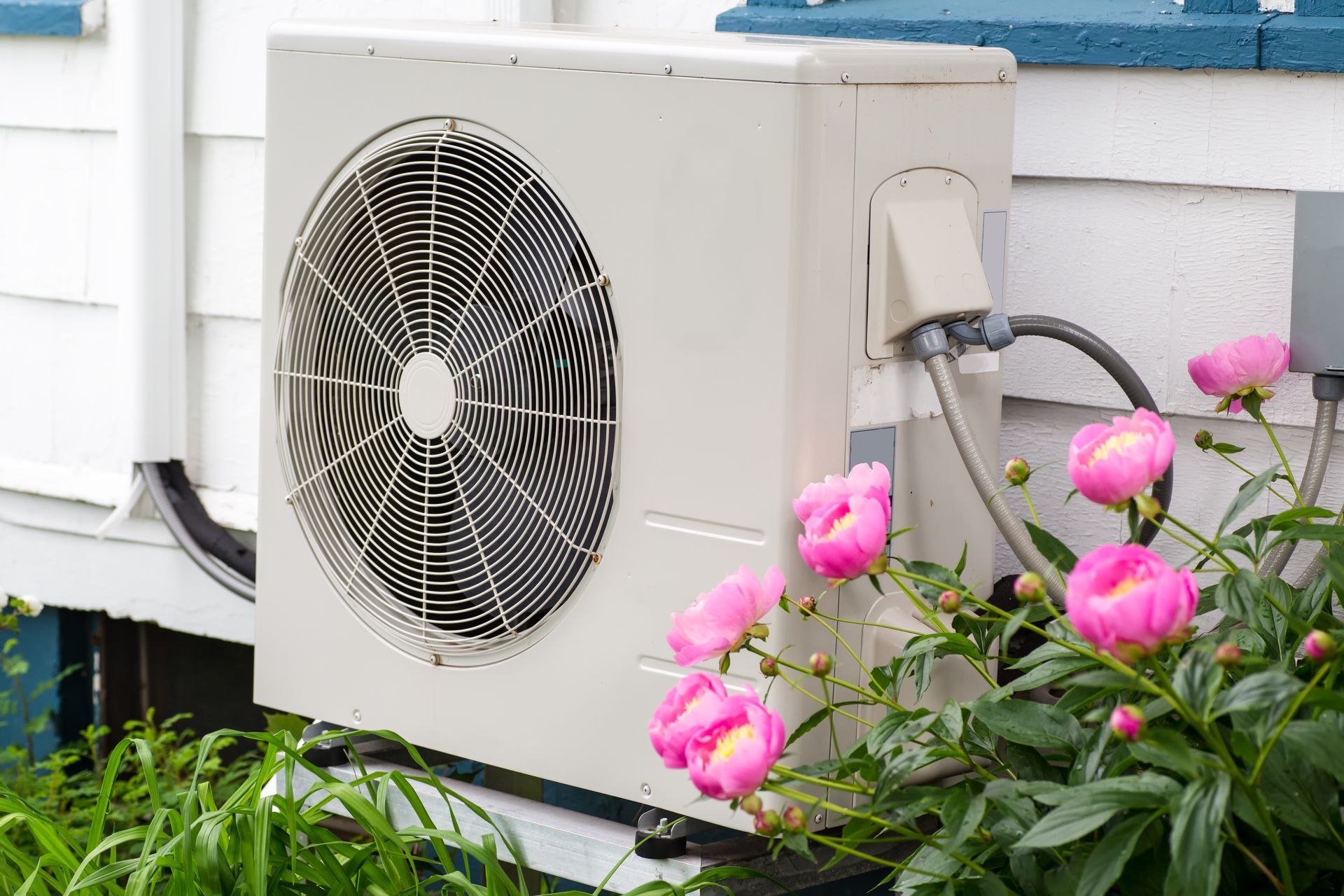
A ductless heat pump, also called a mini-split, uses a small outdoor compressor linked directly to individual wall units to provide heating or cooling. Each wall unit heats or cools a specific room, providing individual zoning control. Mini-splits are commonly installed in homes with no existing ductwork or in new home additions.
Ventilation & Air Quality
At-home comfort and health involve more than just hitting a specific temperature. They also require clean air. Modern homes tend to trap airborne contaminants inside, which is why any complete HVAC strategy should incorporate indoor air quality elements.
- Air Purification: Air purifiers capture and kill contaminants in your ductwork. They use replaceable filters to catch pollen, dust, mold, and more. UV lamps go the extra step by preventing bacteria and mold from growing in your ducts in the first place.
- Humidity Control: Adding a whole-home humidifier keeps your skin and woodwork safe from dry winter air, while a whole-home dehumidifier keeps your space feeling naturally cooler in the summer.
- Fresh Air Exchange: A ventilator allows a home to breathe, expelling stale air and bringing in fresh, pre-conditioned air to rid your home of airborne particles, moisture, and odors. They even heat or cool the incoming air to minimize energy loss.
HVAC System Lifespan & Maintenance
With proper care, a high-quality forced-air furnace can last 15 to 20 years, while central air conditioners and heat pumps typically maintain a lifespan of 10 to 15 years.
The absolute best way to maximize that lifespan is to stick to an annual professional check-up schedule. Regular maintenance check-ups can also lead to lower utility bills, fewer costly repairs, and better system performance.
Partner with Hanson’s for All Your HVAC Needs
We hope you found this ultimate guide to home HVAC systems to be helpful. Whether you need a quick repair, a routine seasonal safety inspection, or are ready to explore upgrading your home with high-efficiency Bryant® appliances, our team is standing by to assist you.
Ready to optimize your home comfort? Contact Hanson’s Plumbing & Heating today to schedule your system check-up!