The Ultimate MN Homeowner’s Guide to Furnaces (Gas & Oil)
November 2, 2026
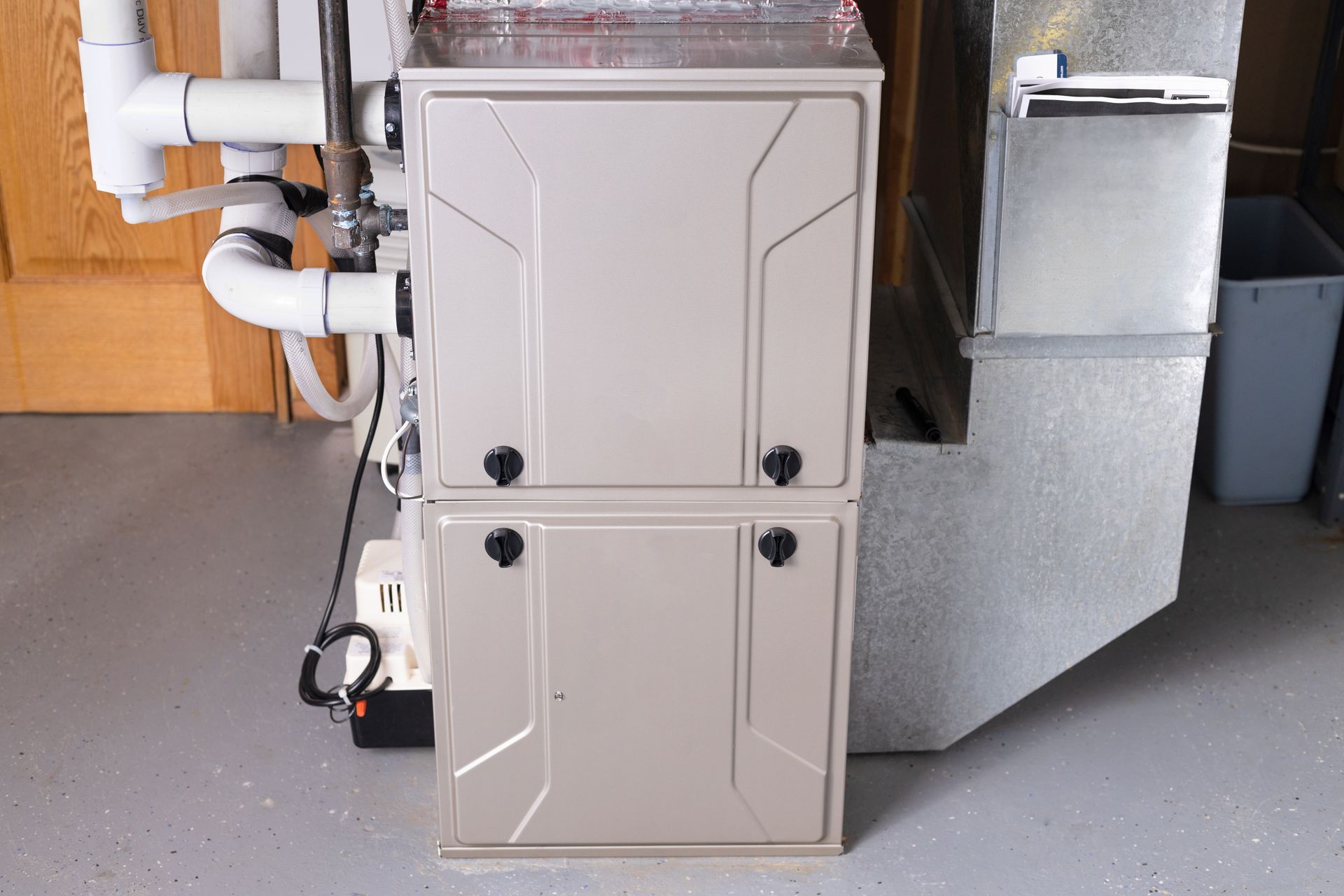
When sub-zero temperatures hit Minnesota’s Detroit Lakes region, your home’s furnace becomes the single most critical appliance under your roof. From keeping water pipes from freezing to ensuring your family stays warm through chilly winter nights, a reliable heating system is non-negotiable.
If your heating system is getting older, driving up your utility bills, or struggling to maintain an even temperature, it might be time to brush up on how furnaces work—whether they run on natural gas or heating oil—and what to look for when investing in an upgrade.
In this comprehensive guide, we’ll break down AFUE efficiency ratings, single-stage vs. modulating systems, the role of oil furnaces in rural or older homes, and how to know when it’s time to repair or replace your furnace.
Understanding AFUE: What is Furnace Efficiency?
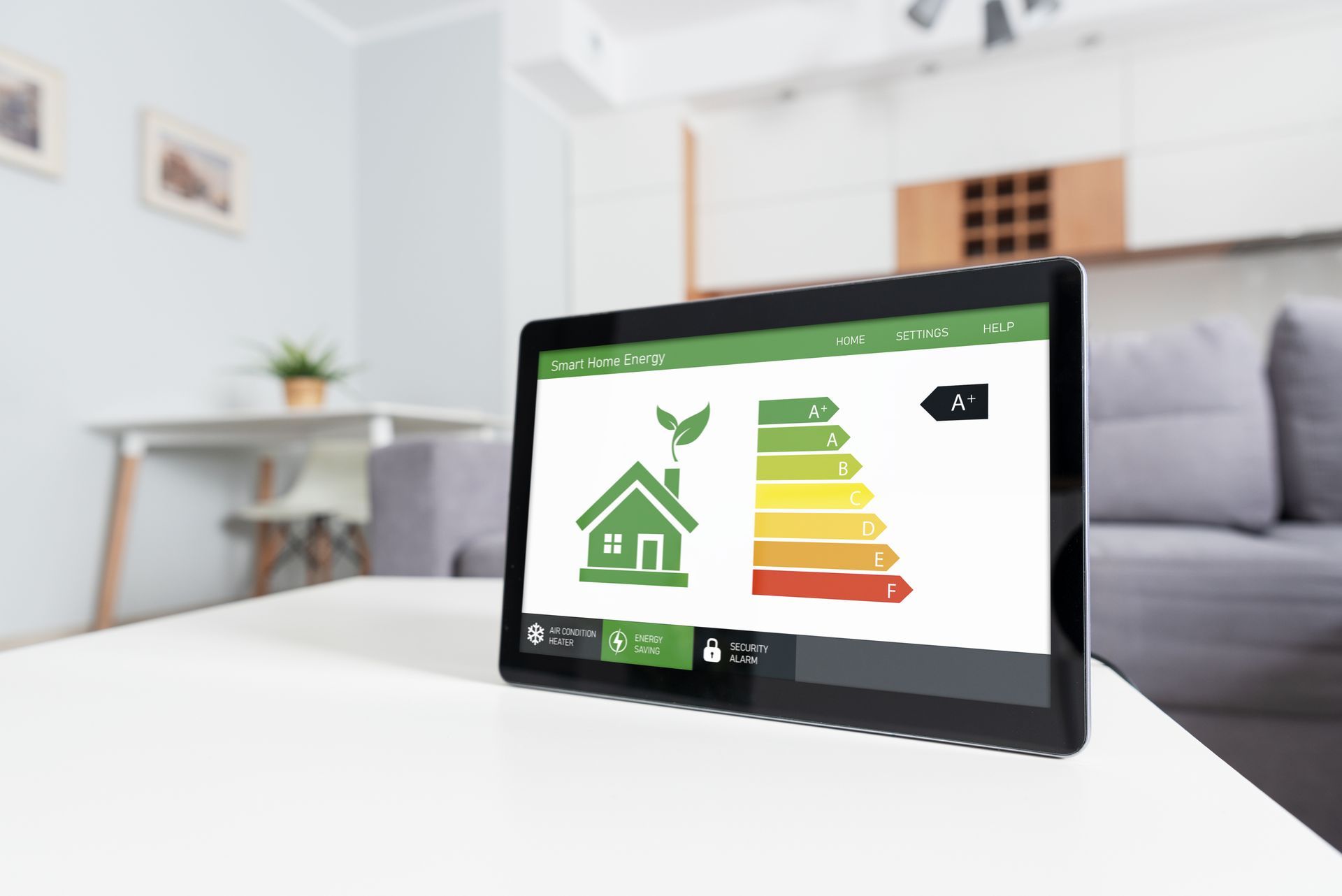
When shopping for a new furnace, you will see a percentage rating known as AFUE (Annual Fuel Utilization Efficiency).
Think of AFUE like your car's mileage rating. It measures how much of the fuel your furnace consumes is actually converted into usable heat for your home versus how much escapes up the exhaust flue.
- Standard-Efficiency (80% AFUE): These older or entry-level models convert 80% of the fuel into heat, while the remaining 20% escapes up a traditional metal chimney flue. While cheaper upfront, they result in higher monthly fuel consumption.
- High-Efficiency (90% to 98.3% AFUE): Modern condensing furnaces capture nearly all available heat—wasting as little as 2% to 4% of the fuel. High-efficiency gas models utilize PVC venting and produce condensation that drains safely away. This makes them ideal for west central Minnesota’s long, cold heating seasons where the energy savings add up quickly.
Gas vs. Oil Furnaces: Comparing Your Fuel Source
While natural gas is the most common heating fuel in municipal areas, many rural properties, historic homes, and cabins throughout the Detroit Lakes region rely on heating oil.
Natural Gas Furnaces
- How They Work: Connected directly to municipal gas lines, these systems ignite gas instantly on demand, providing rapid, clean-burning warmth.
- Advantages: Highly convenient, highly efficient, low maintenance, and eliminates the need for an on-site fuel storage tank.
Oil Furnaces
- How They Work: Oil furnaces draw heating oil from an indoor or outdoor storage tank. A specialized oil burner atomizes the liquid fuel into a fine mist, mixes it with air, and ignites it inside the combustion chamber to heat the exchanger.
- Advantages & Best Fit: Oil burns significantly hotter than natural gas, meaning an oil furnace can heat a large home or drafty historic property remarkably fast. It is the ideal solution for rural homes where natural gas lines are unavailable. Modern high-efficiency oil furnaces also feature advanced retention-head burners and enclosed combustion chambers that achieve impressive efficiency ratings compared to older, clunkier models.
- Oil System Maintenance: Because oil systems rely on liquid fuel, they require an on-site storage tank and a fuel filter that must be replaced annually to prevent nozzle clogs and soot buildup.
Single-Stage vs. Two-Stage vs. Modulating Furnaces
Whether your furnace burns gas or oil, internal valves and blowers determine how precisely your system can control your indoor climate:
1. Single-Stage Furnaces: On or Off
A single-stage furnace has one setting: 100% blast. When your thermostat calls for heat, the furnace kicks on at full capacity until the target temperature is reached, then shuts off completely. While reliable, this all-or-nothing approach can cause noticeable temperature swings and higher noise levels.
2. Two-Stage Furnaces: The Balanced Option
A two-stage furnace has a high setting for freezing winter mornings and nights and a low setting (usually operating around 65% capacity) for milder days. Running on low most of the time means longer, quieter heating cycles, more even indoor temperatures, and noticeably lower monthly utility bills.
3. Modulating / Variable-Speed Furnaces: Ultimate Comfort
Modulating furnaces act like a dimmer switch rather than a light switch. They adjust their heating output in tiny increments to match your home's exact heat loss in real time. Combined with variable-speed blower motors, they eliminate cold spots and deliver the highest level of comfort available in Minnesota homes.
Proactive Furnace Maintenance Tips
A well-maintained furnace lasts longer, runs more efficiently, and keeps your family safe from unexpected mid-winter breakdowns.
- Change Your Air Filter Every 1–3 Months: A clogged air filter restricts airflow, forcing your furnace to work harder, burn more fuel, and potentially trip its safety limit switch.
- Keep the Area Clear: Never store cardboard boxes, paint cans, or flammable items near your furnace. It needs uninhibited airflow around the cabinet.
- Test Before Winter Arrives: Don't wait for the first freezing night to turn on your furnace for the first time. Run it for 15 minutes in early-to-mid autumn to burn off summer dust and ensure it ignites properly.
- For Oil Furnaces: Monitor your oil tank level regularly throughout the winter to make sure you never run dry during a blizzard, and schedule annual filter/nozzle replacements.
- Schedule Annual Professional Tune-Ups: Have a licensed HVAC technician inspect your heat exchanger for cracks, clean the burners or oil nozzles, and test safety controls every autumn.
Repair vs. Replace: When to Upgrade Your Furnace
The average lifespan of a residential gas furnace is 15 to 20 years (though well-maintained oil units can also last within this window). If your system is breaking down frequently, consider these three rules of thumb:
- The 50% Rule: If a repair bill costs more than half the value of a brand-new system, replacement is the better financial choice.
- Rising Utility Bills: If your heating bills are creeping up year over year while your comfort drops, the heat exchanger's efficiency is degrading. Replacing the entire unit is usually more cost-effective than swapping out the heat exchanger.
- Age & Safety: Furnaces over 15 years old carry a higher risk of a cracked heat exchanger, which can leak dangerous carbon monoxide into your living space. And pouring money into a furnace near the end of its lifespan doesn’t often pay off.
Keep Your Home Warm with Hanson's
Whether you need a routine annual gas or oil furnace inspection, an emergency repair on the coldest night of the year, or a free quote on a high-efficiency heating system, Hanson’s Plumbing & Heating is here for you. We proudly provide furnace repair, maintenance, and installation throughout the Vergas, Perham, and Detroit Lakes areas of west central Minnesota.
Don't wait for the deep freeze—contact Hanson’s today to schedule your furnace service before winter sets in!